The Consortium
The TrackAF consortium comprises top-tier academic institutions, research hospitals, industry partners and patient organisations across Europe, ensuring a multidisciplinary and intersectoral approach to keep track of atrial fibrillation and fight this disease, which will affect one out of three Europeans now or in the future (lifetime risk). TrackAF brings together experts in atrial fibrillation and atrial cardiomyopathy research from a wide variety of disciplines raging from computer science and biomedical engineering to biology and clinical cardiology.
Meet our supervisors and partner institutions and advisory board
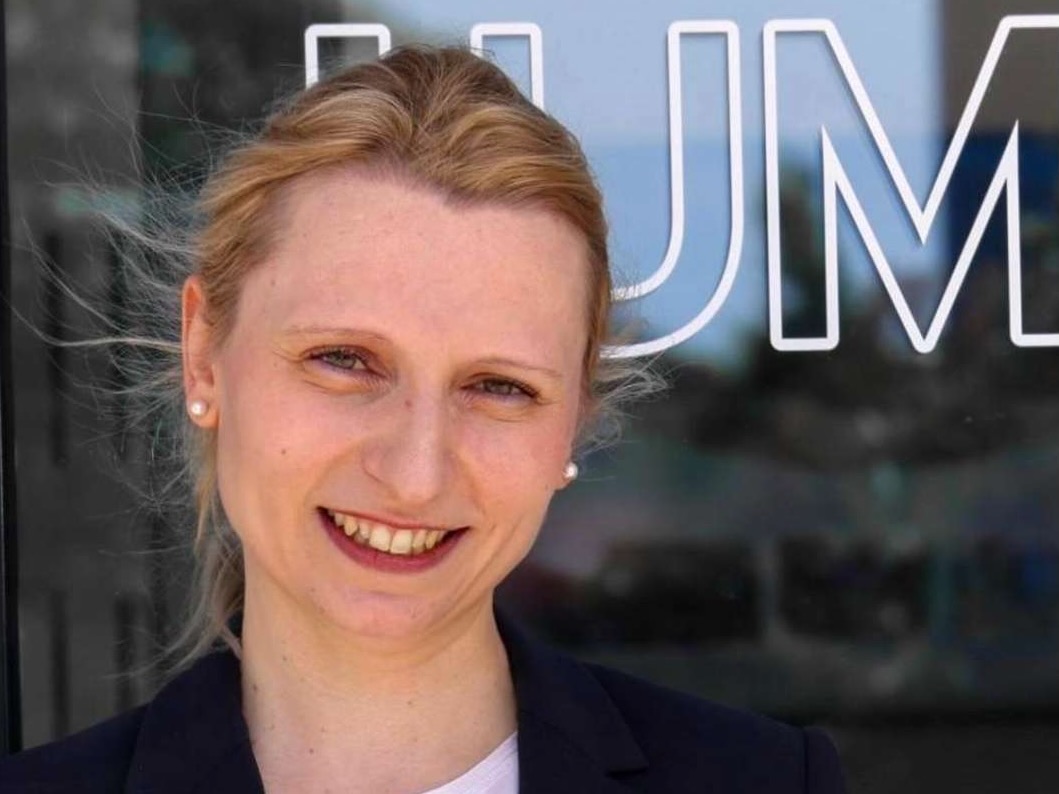
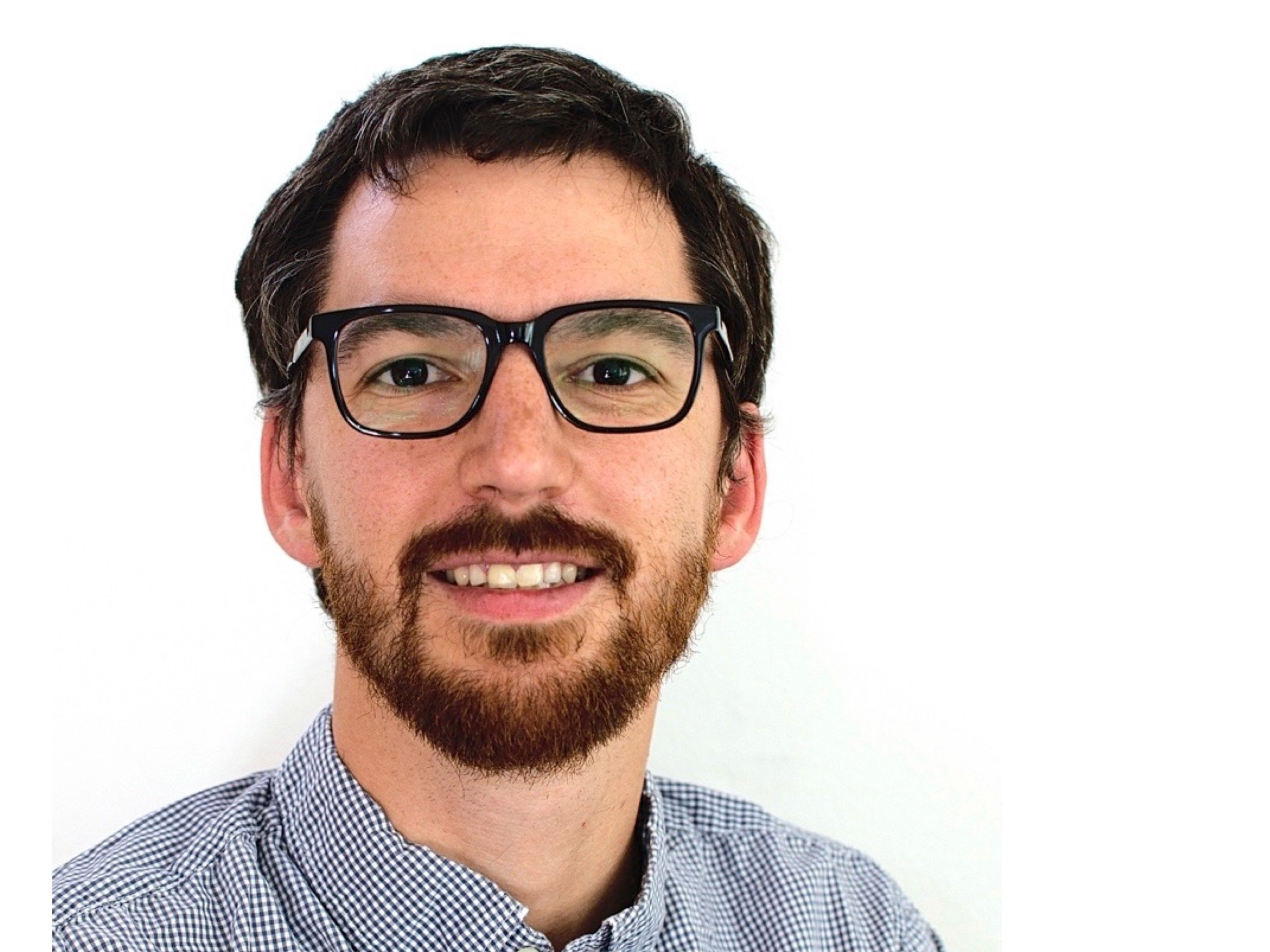
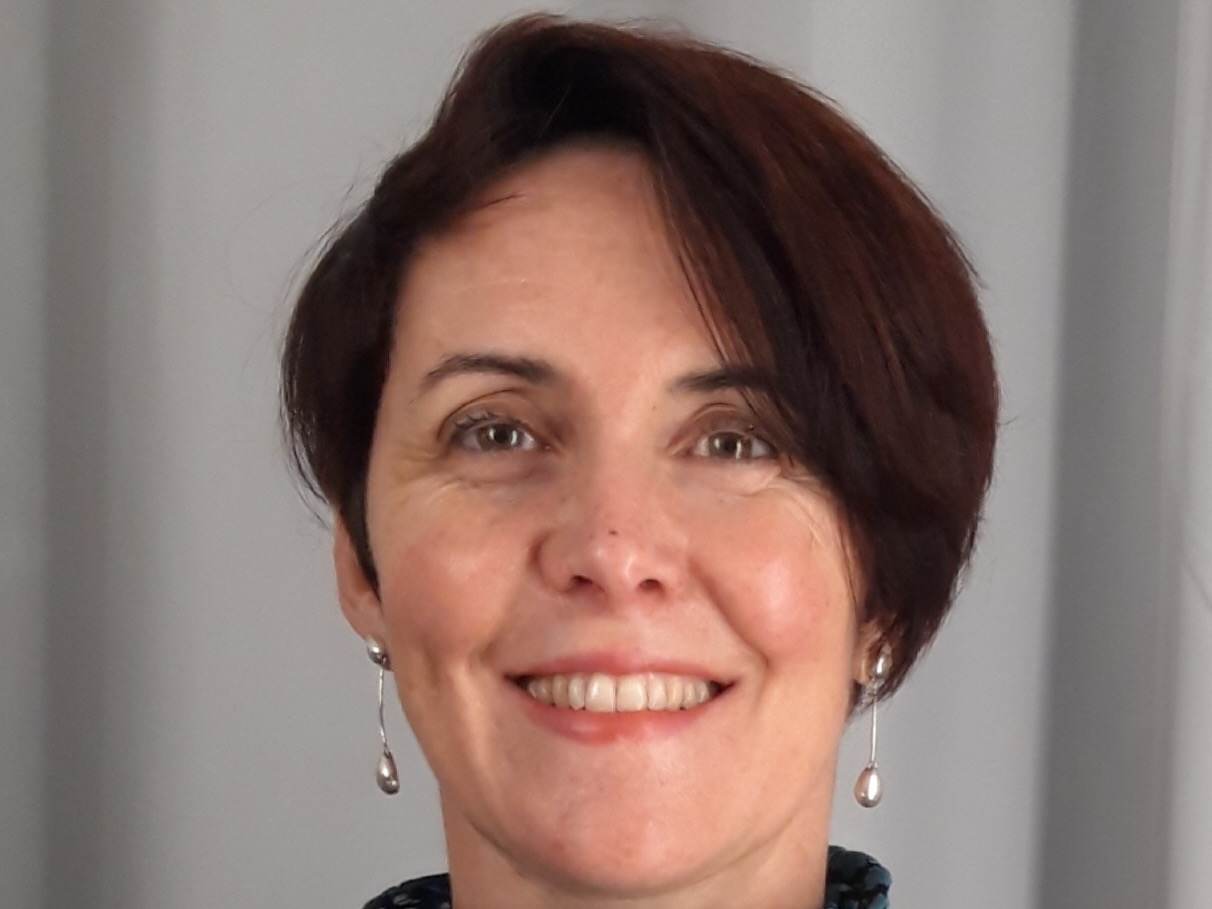
Meet our primary supervisors
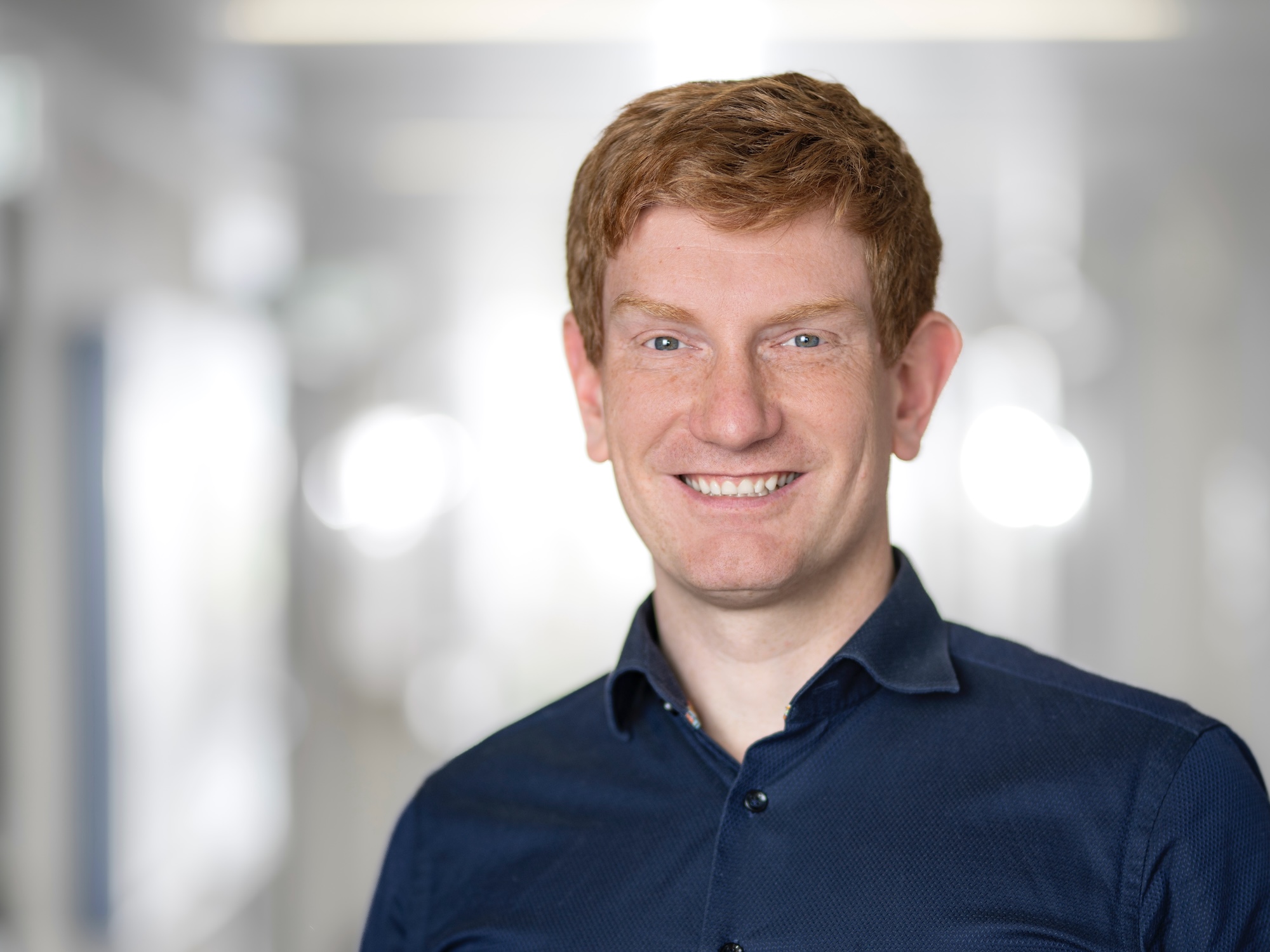
Axel Loewe
Karlsruhe Institute of TechnologyDr. Axel Loewe is Track AF's Project Coordinator and leading work packages 5 and 6. He is tenured Head of Computational Cardiac Modeling of IBT and co-spokesperson of KIT’s Center of Health Technologies (PhD in Electrical Engineering and Information Technology). His key research topic is cardiac modelling from ion channels to the ECG with a strong interest in clinical translation. He is one of the openCARP maintainers, Open Science advocate and co-author of the FAIR4RS (FAIR for Research Software) principles.

Stef Zeemering
Maastricht UniversityDr. Stef Zeemering is TrackAF's Vice Project Coordinator and leading work package 4. He is assistant professor at the department of Physiology,CARIM division Complex Arrhythmias. His research focuses on developing computational tools to measure and analyse atrial fibrillation (AF) through advanced signal processing, machine learning, and systems biology approaches. Dr. Zeemering specialises in integrating data from various cardiac signals (e.g. ECG, EGM) and genetic profiles to enhance understanding of AF mechanisms, predict treatment outcomes, and personalise patient management. At MU Dr. Stef Zeemering coordinates the minor programme AI and Datadriven Care at the faculty of Health, Medicine and Life Sciences.
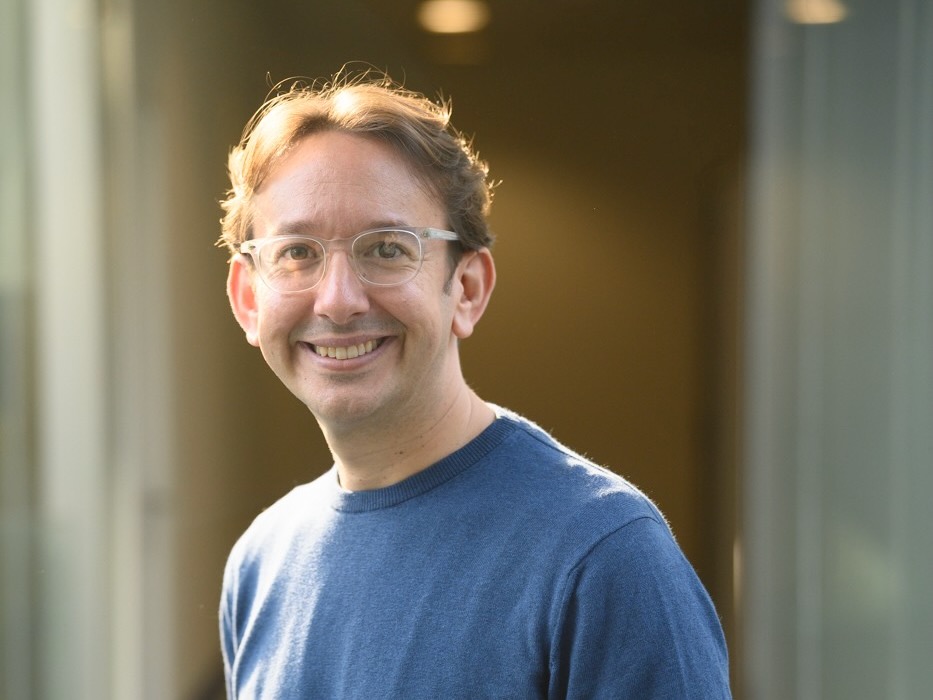
Andreu Climent
CorifyDr. Andreu M Climent, CEO of Corify Care, PhD in electronic engineering; specialised in cardiac electrophysiology at the Leipzig Heart Center in Germany, the Cleveland Clinic and the University of Michigan in the United States. Co-inventor on 4 patents.
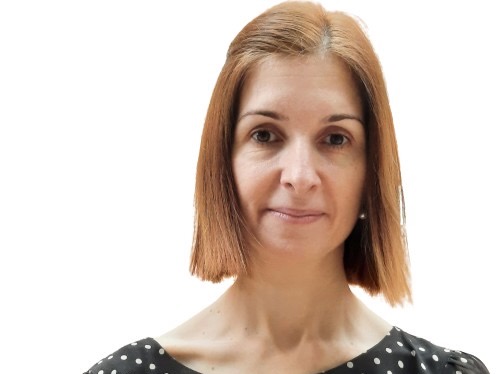
Esther Pueyo
Universidad de ZaragozaDr. Esther Pueyo is Full Professor of Signal Processing and has been ERC Grantee. Her key research topics are signal processing of biomedical signals and multi-scale computational modelling and simulation.
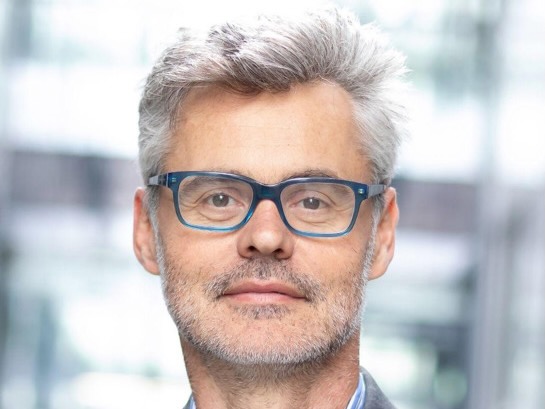
Gernot Plank
NumeriCorProf. Gernot Plank is co-founder and Chief Scientific Officer of NumeriCor and full Professor of Computational Cardiology at the Medical University of Graz. His key research topics cover modelling of cardiac function with applications in arrhythmias and therapies, and in personalising models for creating digital twins.
Imelda Ontoria
Fundación para la Investigación del Hospital Universitario y Politécnico la Fe de la comunidad valencianaDr. Imelda Ontoria (PhD in Molecular and Cellular Biology) is part of the Regenerative Medicine and Heart Transplantation Unit of IISLAFE. Her main line of research is focused on modelling cardiovascular disease in induced pluripotent stem cells cell models. Since 2015, the researcher has been working on the use of EVs and different miRNAs as therapeutic agents in different cardiovascular diseases.

Jordi Heijman
Medical University of GrazUniv.-Prof. Dr. Jordi Heijman, PhD is full professor and chair of the division of Medical Physics and Biophysics at MUG. He is leading TrackAF work package 1. He has a long-standing track record (>130 papers, h=38) in cardiac electrophysiology, is the past chairman of the European Working Group on Cardiac Cellular Electrophysiology of the European Society of Cardiology (ESC), current member of the leadership of the ESC Academy, the board of the European Heart Rhythm Association, and associate editor of EP Europace.
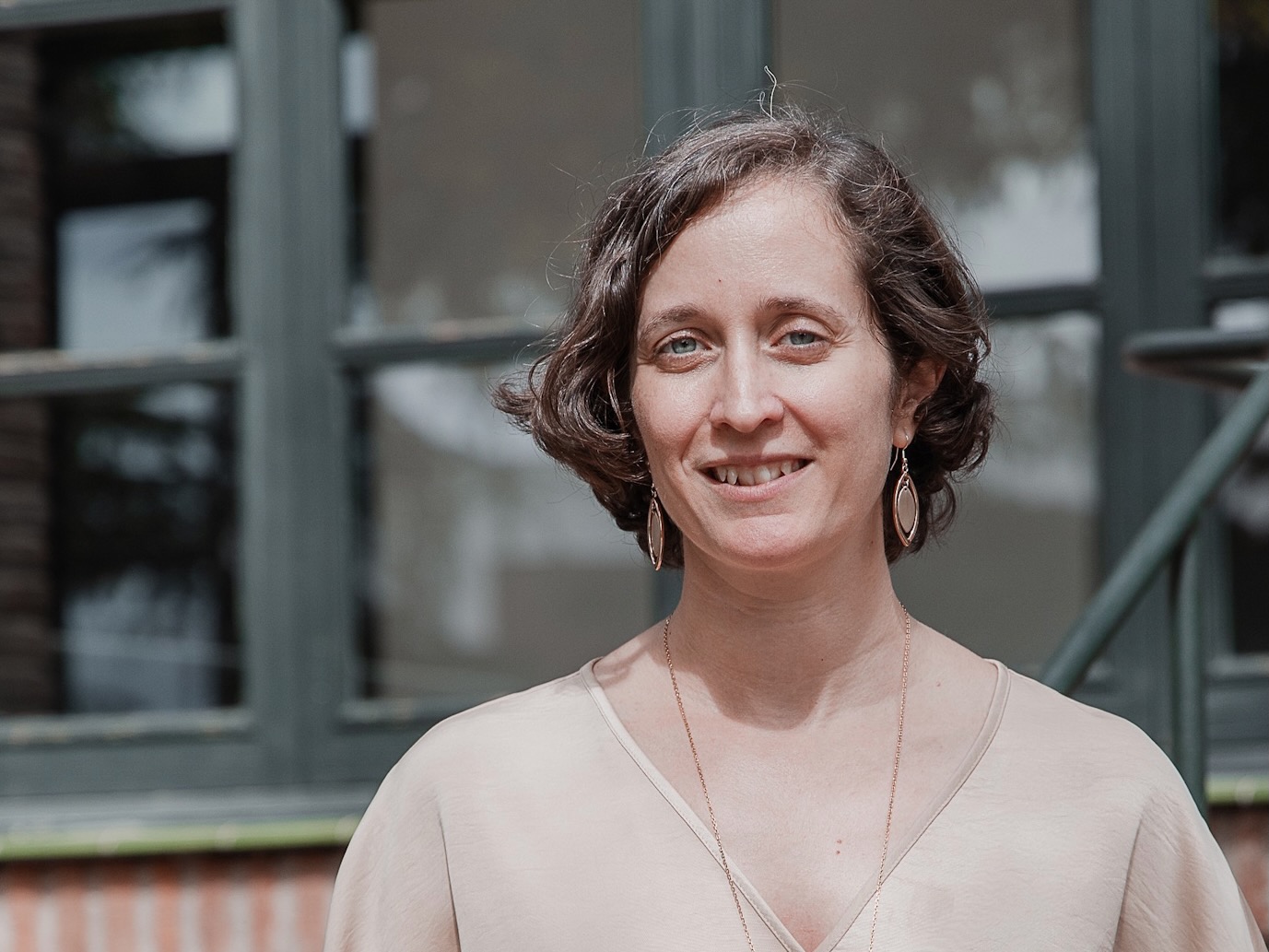
María Guillem
Universitat Politècnica de ValènciaProf. Dr. María de la Salud Guillem (MSG, Professor, PhD in Electronics) is a Full Professor at the Department of Electronic Engineering and Vice-Director of ITACA at UPV and leads the research team in COR group. She is leading TrackAF work package 3. With extensive experience in biomedical engineering and cardiac electrophysiology, she has supervised 6 doctoral theses. Dr. Guillem has a proven track record in invasive and non-invasive electrical mapping during AF and cardiac mathematical modelling, reflected in her participation in over 50 publications listed in the JCR and more than 100 conference publications.
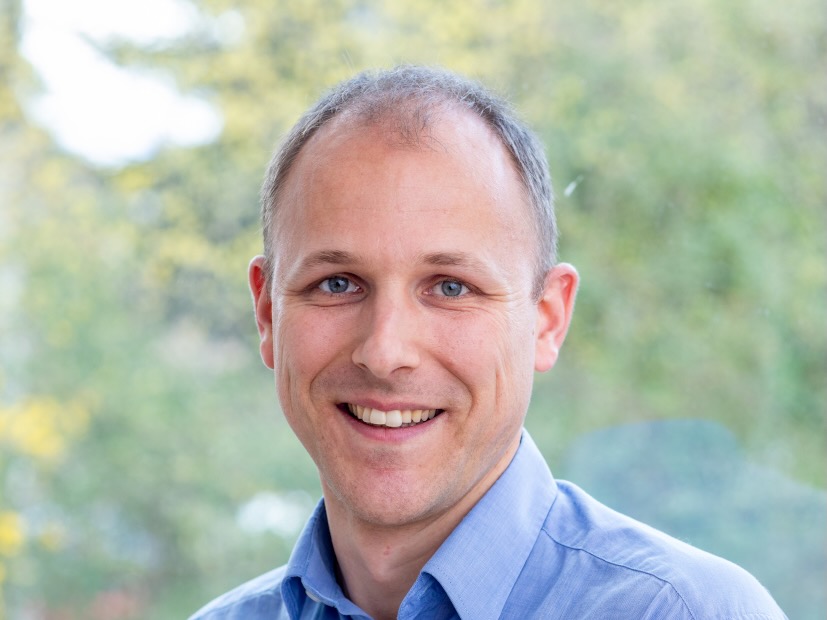
Rémi Peyronnet
Universitätsklinikum FreiburgDr. Rémi Peyronnet is tenured Head of the Mechanobiology Section at IEKM and the Scientific lead of the Cardiovascular Biobank. His key research topic is cardiac cell mechanosensing in health and diseases with a particular focus on the identity and role of mechanosensitive channels.
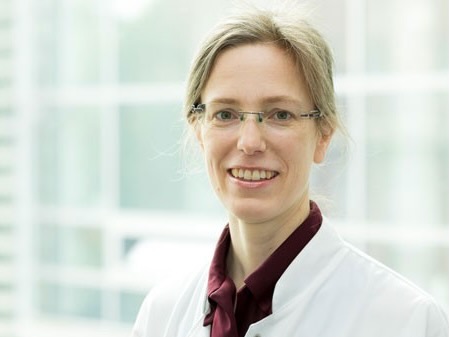
Renate Schnabel
Universitätsklinikum Hamburg-EppendorfProf. Renate B. Schnabel is a senior physician and deputy director of the department of cardiology at the UHZ. She holds an ERC and national (German Research Foundation, German Ministry of Education and Research) grants. She is coordinator of the AFFECT-EU Consortium, an H2020 RIA funding project with 26 international beneficiaries and is PI of the German Centre for Cardiovascular Research (DZHK e.V.) while having a track record of mentoring junior scientists.
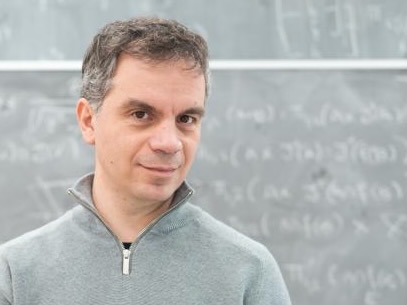
Simone Pezzuto
Università degli Studi di TrentoProf. Simone Pezzuto is Assistant Professor of Numerical Analysis and leading TrackAF work package 2. His research interests include cardiac modelling, scientific machine learning, and cardiac digital twins. He is also affiliated with Università della Svizzera italiana and the ICAM center.

Ulrich Schotten
Maastricht UniversityProf. Dr. Ulrich Schotten is full professor of Cardiac Electrophysiology, head of the department of Physiology, and principal investigator (PI) in the CARIM division Complex Arrhythmias. His research interests include cellular and integrated actions of antiarrhythmic drugs, the development of substrates for the perpetuation of AF, invasive and non-invasive quantification of the substrate of AF, interaction between AF and activation of the coagulation system, and three-dimensional computer models of AF. He is member of the Executive Committee of the Network of Competence for Atrial Fibrillation (AFNET) and acts as the chairman of the Strategic board of CARIM.
Meet our further academic, industrial and clinical supervisors

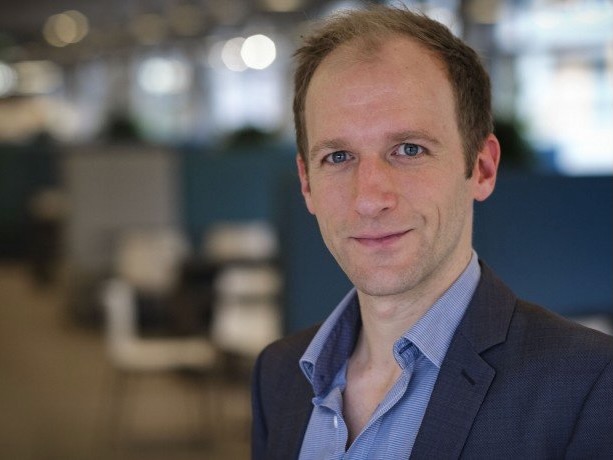
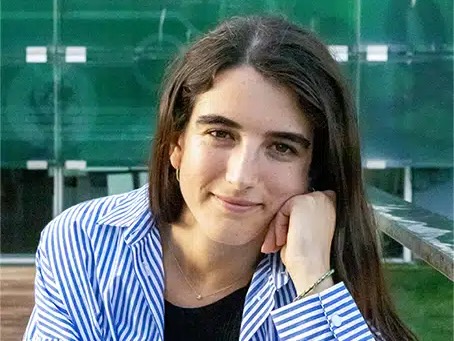
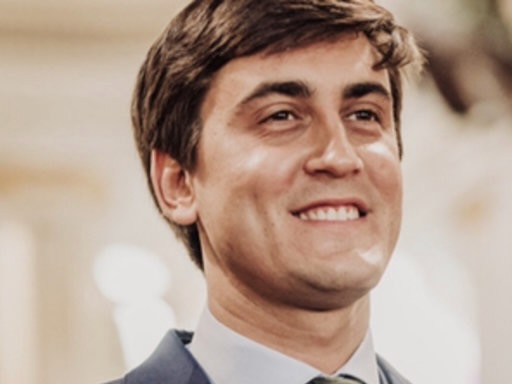
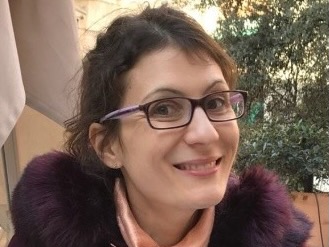
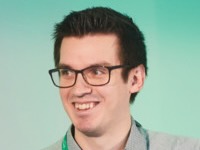
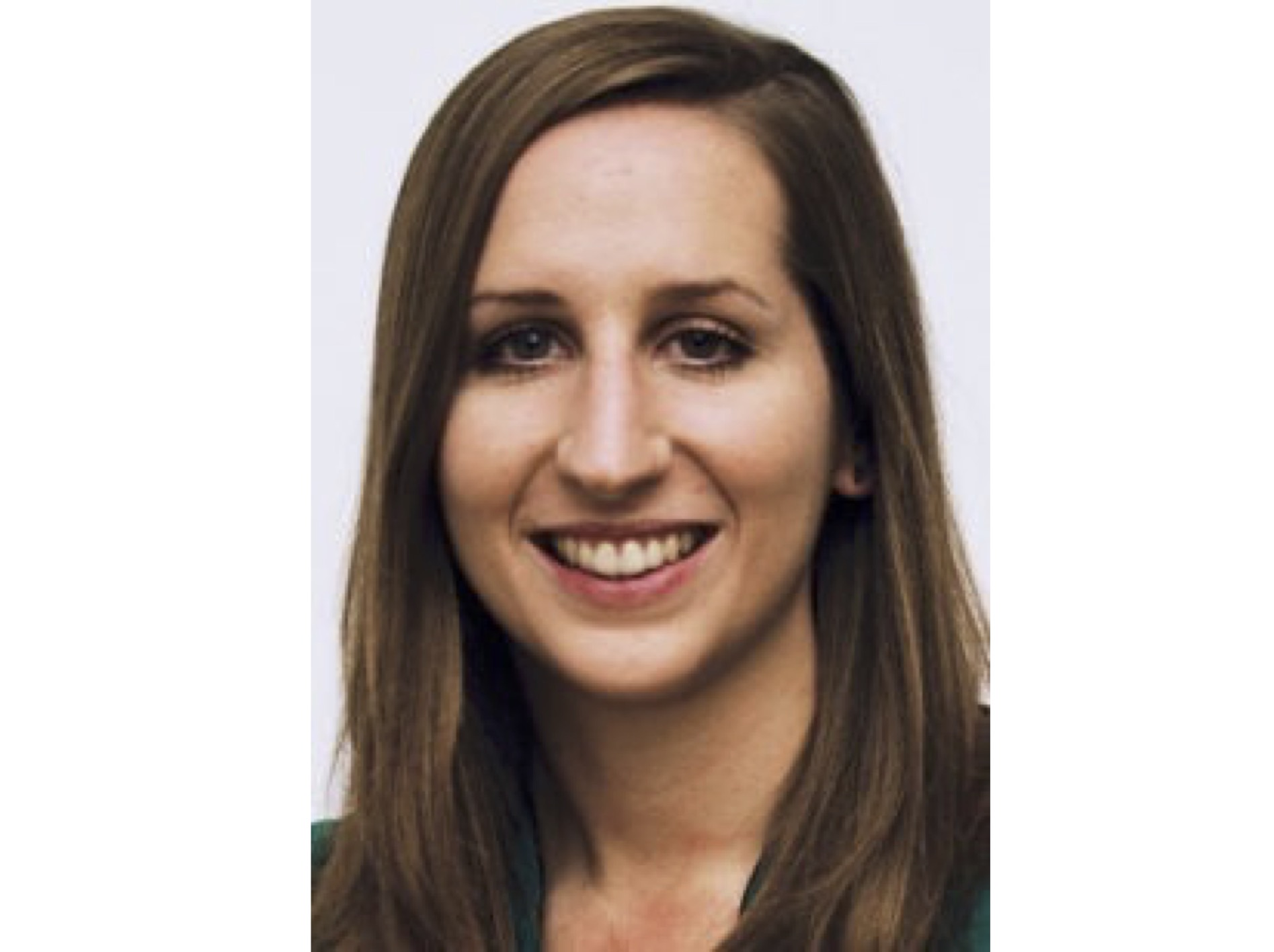
Our partner institutions

Karlsruhe Institute of Technology
KITKarlsruhe Institute of Technology (KIT) in Germany, is ‘The University in the Helmholtz Association’ and one of the biggest research institutions in Europe. It has two large campuses with approximately 400 professors and around 23,000 students. KIT belongs to the German TU9 initiative of leading technical universities and was granted Excellence status by German Universities Excellence Initiative among 11 universities nationwide. The Institute of Biomedical Engineering (IBT) is a leading laboratory in KIT’s Center of Health Technologies bringing together multidisciplinary expertise. Research topics span modelling and simulation, optics, robotics, artificial intelligence and image computing in medicine.
Medical University of Graz
MUGThe Medical University of Graz (MUG) hosts more than 2,500 employees among three pre-clinical research centres, four pre-clinical institutes, 19 clinical departments, one clinical institute and a purpose-built Center for Medical Research. Approximately 4300 students are enrolled in the study programmes and post-graduate programs and more than €67 million external funding per year. The MUG is ranked 16th in the 2023 Times Higher Education Young Universities Ranking. The research strategy of MUG is closely aligned with the goals of TrackAF, with five primary research areas, including Metabolic and Cardiovascular Research, as well as an overarching-focus on personalised medicine. The division of Medical Physics and Biophysics is embedded within the Gottfried Schatz Research Center at MUG and currently employs 55 people (41 scientific and 14 support staff). It covers a wide range of translational research with a strong focus on signalling, electrophysiology, and precision medicine, as well as education and training of medical and graduate students. It has also generated a significant number of successful spin-off companies.

Maastricht University
MUMaastricht University (MU) is the most international university in the Netherlands and has nearly 22,000 students and 5,000 staff. The university distinguishes itself with its innovative education model, international character and multidisciplinary approach to research and education. Thanks to its high-quality research and education, as well as a strong focus on social engagement, MU is considered one of the best young universities in the world. The Cardiovascular Research Institute of Maastricht (CARIM) is one of the top institutes for translational cardiovascular research in Europe. It is among the world leaders in the fields of research into vascular and thrombotic disorders and AF as well as translational heart failure research.
Universidad de Zaragoza
UZARUZAR was founded in 1542 and is the main academic centre in the Ebro Valley. It has approximately 34,000 students and 6,000 staff members. Within the University of Zaragoza, the Aragón Institute for Engineering Research (I3A) was the first Research Institute, created in 2002 with a commitment to innovative science and a high level of participation in European and international projects. Today, I3A is the first technological research centre in Aragón with more than 500 professionals and 32 research groups in the fields of Biomedical Engineering, Information and Communication Technologies, Processes and Recycling and Industrial Technologies, holding 8 ERC grants. The Biomedical Signal Interpretation and Computational Simulation group of I3A is a leading expert in signal processing, in silico electrophysiological modelling and numerical simulation.

Universitätsklinikum Hamburg-Eppendorf
UKEThe University Medical Centre Hamburg-Eppendorf (UKE) is one of the most modern hospitals in Europe with more than 80 highly specialised clinics and research institutes. The UKE represents a combination of state-of-the-art medical treatment, research, science and education with international reputation. The University Heart & Vascular Centre Hamburg (UHZ), is one of 13 Clinical Centres of the UKE. In addition to patient treatment, the UHZ is also responsible for research and teaching. The UHZ conducts cutting-edge research and focuses on student and physician training, both profoundly important components of medical development and is currently participating as coordinator or partner in approx. 60 EU projects.
Universitat Politècnica de València
UPVUniversitat Politècnica de València (UPV) is a public institution devoted to higher education and to research and development (R&D) activities. UPV is number 74 in the Times Higher Education the 100 Under 50 Universities, with over 36,000 students and a staff of 5,400. The Information and Communications Technology Institute (ITACA) involves more than 100 researchers, with their primary interest areas ICT systems in healthcare, digital electronic systems, industrial electronics, telecommunication systems or telematics. The Cardiac Oriented Research group (COR), belonging to the ITACA University Institute in UPV, develops scientific research of excellence in the cardiovascular area, and promotes applied technological development initiatives and the transfer of biomedical technology to different medical and industrial sectors.COR group focuses on fighting cardiac arrhythmias through innovative and non-invasive methods based on 3D intracardiac mapping, which improves the effectiveness and appropriateness of treatments.

NumeriCor
NUMERICORNumeriCor in Austria develops and provides cutting-edge cardiac simulation solutions, covering the full spectrum of tools required for in silico processing chains comprising medical image analysis, anatomical meshing, model personalization technologies and dedicated in silico experimental setups suitable for use as a medical device development tool as well as for clinical software as a medical device application. NumeriCor heavily invests into technology development, striving to be the leader in software for cardiac electrophysiology and mechanics simulation solutions. NumeriCor provides its tools to the academic research community, to biomedical technology and pharmaceutical companies, and to the cardiology profession. NumeriCor’s business is offering software licensing and contracted research services.

Corify Care
CORIFYCorify Care is a start-up focused on improving the prognosis and treatments of patients with cardiac arrhythmias. Corify Care is completing the regulatory audit phases to obtain approval from health authorities and start the commercialization of ACORYS, its first product. ACORYS is a non-invasive electro-anatomical mapping device (ECGI) that enables rapid and safe mapping of the heart's electrical activity. It is the first cardiac mapping system that allows clinicians to non-invasively see electrical activity on the surface of the heart without the need of catheters or MRI/CT imaging. Corify's technology has already been validated in hundreds of patients, is supported by four patent families, and in the year 2024, it is expanding internationally, starting operations in five countries (Spain, Germany, Sweden, Portugal, and the United States). ACORYS has been selected as the most innovative project of 2020 by the European Institute of Innovation and Technology (EIT).
Università degli Studi di Trento
UNITNThe University of Trento (UNITN), established in 1962, is home to 11 Departments and 4 Centres, and counts 829 professors and researchers, 363 research fellows, 859 doctoral students, and 805 administrative and technical staff. UNITN has consistently established strong collaborations with both Italian and international institutions. It has been ranked in top positions by national rankings, and it is well positioned in international ones. Among its key research centres is the Laboratory of Mathematics for Biology and Medicine, part of the Department of Mathematics, which focuses on developing advanced mathematical and computational methods for analysing biological and medical data. Additionally, the Cellular, Computational and Integrative Biology department (CIBIO) integrates traditional cellular and molecular biology with modern approaches in systems and synthetic biology.
Universitätsklinikum Freiburg
UKLFRThe Medical Center – University of Freiburg (UKLFR) is among the largest UMC in Germany, with around 15,000 employees who provide healthcare services to more than 90,000 inpatients and 900,000 outpatients every year. It engages in research, teaching and healthcare as its core responsibilities, always with the goal of offering current and future patients treatment informed by the latest scientific findings. UKLFR collaborates closely with the Faculty of Medicine, which is one of the most prestigious research-driven medical schools in Germany. Over 110 professors and 2,500 academic staff are committed to excellence in research and teaching for more than 3500 students. Ranking based on third party funding from the DFG for life sciences places Freiburg in the top three German universities. The Institute for Experimental Cardiovascular Medicine (IEKM, Director Peter Kohl) is part of the UKLFR Department University Heart Center Freiburg ∙ Bad Krozingen (UHZ, >1,500 staff), and is devoted to excellence in basic and applied cardiovascular research and training.
Fundación para la Investigación del Hospital Universitario y Politécnico la Fe de la comunidad valenciana
IISLAFEThe Health Research Institute Hospital La Fe (IISLAFE) is a Spanish non-profit organisation that manages the scientific policy of La Fe University Hospital with more than 1,100 employees of which 64% is research staff. IISLAFE was accredited as a ‘Health Research Institute’ by the Spanish Ministry of Science and Innovation in 2009 and again re-accredited in 2014 and in 2024 based on the research of excellence. IISLAFE offers scientific and technological services and has more than 10,000m2 of clinical and research laboratories to undertake research programs based on state-of- the-art biomedical science. The Institute actively supports and promotes cutting-edge research, the development of scientific and technological knowledge, and its transfer to the production sector. Additionally, it plays a vital role in teaching and training within the Hospital and various primary care centres.
Kompetenznetz Vorhofflimmern e.V.
AFNETAFNET (Atrial Fibrillation Network) was founded in 2003 as a research network funded by the German Federal Ministry of Research and Education. The organisation has developed into an internationally active academic research organisation dedicated to translational cardiovascular research and evaluating new therapies mainly focusing on atrial fibrillation. AFNET, registered as an independent, not-for-profit association. The mission is to improve the lives of patients with cardiovascular diseases by generating knowledge and evidence on effective and safe treatments. AFNET provides a platform to academic investigators to execute non-commercial, international, investigator initiated controlled clinical trials, registries, and translational research projects.
Fundacion Instituto de Investigación Sanitaria Aragón
IISAIISA is a joint biomedical centre integrated by reference hospitals, primary health care centres, Universidad de Zaragoza (UZAR) and Aragón Health Sciences Institute. IISA obtained the excellence accreditation by the National Health Institute Carlos III to facilitate research, innovation and translation to healthcare services. More than 1,200 affiliated professionals are involved in 92 research groups organised in 6 scientific programmes. Within IISA, Hospital Clínico Universitario Lozano Blesa (HCULB) is one of the two largest hospitals in the region of Aragón with more than 800 beds, 3,000 employees and 300,000 patients per year. The Arrhythmia Unit within the Division of Cardiology focuses on the diagnosis, monitoring and treatment of patients with cardiac arrhythmias and inherited diseases. All its members have vast experience in the management of patients with cardiac devices. The Unit performs cardiac electrophysiological studies and ablation procedures, including those to treat atrial fibrillation, as well as procedures for implantation of pacemakers, transvenous and subcutaneous defibrillators.

Veratech for Health
VERATECHVeraTech is a research company founded in 2010 as spin-off of the Technical University of Valencia. The services cover data integration and sharing, semantic modelling, standardisation and quality of healthcare data. Veratech staff actively collaborates with organisations developing health data standards such as SNOMED CT, EN/TC251, OHSDI and OpenEHR.
Arrhythmia Alliance
AAArrhythmia Alliance (A-A) was established in 2004 in the UK following the work of its sister charity STARS (Syncope Trust) as a coalition of charities, patients and patient groups, caregivers, allied professionals, policy makers, medical groups and healthcare professionals. A-A provides information, support and education of all heart rhythm disorders and is recognised globally with representation in over 40 countries. A-A hosts the World Heart Rhythm Week, established the Heart Rhythm Congress and contributes to research, advocacy, policy and education for both healthcare professionals and patients.
FibriCheck
FIBRICHECKFibriCheck is a digital health company founded in 2014 as a spin-off of the University of Hasselt. The company specializes in innovative cardiovascular diagnostics using photoplethysmography (PPG) technology via smartphones and wearables. FibriCheck transforms everyday devices into certified heart rhythm monitors, providing medically validated, actionable insights to healthcare providers. The team collaborates with leading medical and regulatory organizations, contributing to the development of health data standards and advancing digital health technologies. FibriCheck has received FDA clearance and CE marking, demonstrating compliance with global regulatory standards for clinical-grade cardiovascular monitoring.

Albert-Ludwigs-Universität Freiburg
UFRThe University of Freiburg, is a public research university located in Freiburg im Breisgau, Baden-Württemberg, Germany. The university was founded in 1457 by the Habsburg dynasty as the second university in Austrian-Habsburg territory after the University of Vienna. Today, Freiburg is the fifth-oldest university in Germany, with a long tradition of teaching the humanities, social sciences and natural sciences and technology and enjoys a high academic reputation both nationally and internationally. The university is made up of 11 faculties and attracts students from across Germany as well as from over 120 other countries. Foreign students constitute about 18.2% of total student numbers.